Review: Llama Nurse SVG for Embroidery Projects
As a designer who has spent countless hours digitizing and stitching out files for clients, I have developed a keen eye for what works in the hoop and what looks charming on screen but fails in thread. When I first encountered the Nurse Svg Design, Llama Nurse, my initial reaction was one of cautious optimism. The concept is undeniably cute—combining the gentle, caring nature of nursing with the whimsical popularity of llamas—but cuteness alone does not make a viable embroidery file. I needed to know if this design could hold up under the needle, maintain its integrity on various fabrics, and ultimately serve as a strong asset for my craft business.
First Impressions and Visual Personality
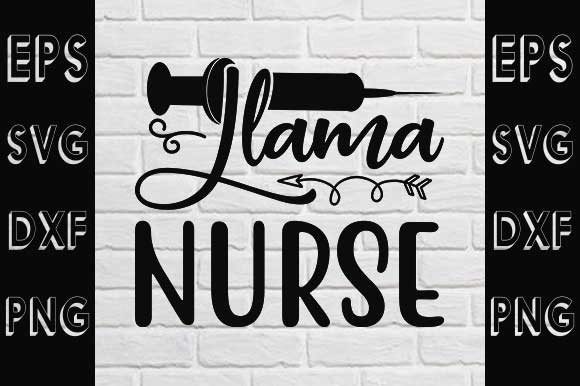
The mood of this design is playful yet professional enough for the healthcare context. It avoids the overly clinical feel of traditional medical graphics by injecting personality through the llama character. For embroidery designers and Etsy sellers, this visual personality is crucial. It appeals to a broad demographic, from nursing students to seasoned practitioners looking for something lighthearted. The layout appears balanced, with the llama likely serving as the central focal point. In terms of detail level, it strikes a middle ground that is essential for machine embroidery; it is detailed enough to be recognizable but not so intricate that it becomes a nightmare to stitch out on standard home machines.
When evaluating graphics for Crafts projects, I always look for clean lines and logical shape separation. This design seems to offer that clarity. The theme is specific, which helps in targeting niche markets within the handmade product community. Whether you are creating personalized gifts for Nurse Appreciation Week or stocking your small shop with holiday embroidery items, the visual appeal here is strong. It feels modern and fresh, avoiding the dated clip-art aesthetic that can lower the perceived value of a finished product.
Real-World Application: The Custom Tote Bag Test
To truly evaluate the Nurse Svg Design, Llama Nurse, I imagined a real-life scenario: preparing a custom embroidered tote bag for a local nursing graduate. Tote bags are a staple for craft fair products and boutique branding because they are practical and highly visible. Using a canvas material, which has a distinct fabric texture, I considered how the design would interact with the weave.
In this context, the design performs well because of its bold shapes. On a textured surface like canvas, fine details can get lost, but the primary forms of the llama and any accompanying text remain clear. This makes it an excellent choice for tote bag design applications. The stitch density appears manageable, meaning it won’t pucker the fabric excessively if paired with the right stabilizer. For sweatshirt embroidery, the same principles apply. The softness of fleece or cotton blends requires a design that isn’t too dense, ensuring the garment remains comfortable to wear. This design seems suited for such apparel, offering a professional look without the stiffness of heavy fill stitches.
Versatility Across Product Lines
Beyond totes and sweatshirts, this digital embroidery file shows promise for several other categories. For baby embroidery, such as onesies or bibs, the whimsical nature of the llama fits perfectly. However, one must be mindful of scale. When shrinking the design for smaller items, the integrity of the lines must hold. For caps and hats, which involve curved surfaces, the design’s width becomes a critical factor. If the design is too wide, it may distort when stitched on the front panel of a cap. Similarly, for embroidered patches, the edges need to be clean to allow for a neat satin stitch border.
For those selling printable mockups or digital product previews, having access to PNG files alongside vector formats like EPS and SVG is a significant advantage. It allows for quick visualization on different backgrounds before committing to stitching. This versatility supports both personal and commercial projects, making it a valuable addition to your design assets.
Technical Considerations and Stitching Clarity
While the aesthetic is appealing, the technical execution determines the quality of the finished product. One area where I advise caution is with small hoop sizes. If you are using a 4x4 inch hoop, you must ensure the design fits comfortably with room for hooping stability. Check the dimensions provided in the file package before starting. Additionally, on dark fabric, thread color contrast becomes vital. A light-colored llama on navy blue scrubs fabric will pop beautifully, but if the design includes subtle shading, it might get lost. Testing the design in black and white mockups can help identify potential visibility issues before you thread up the machine.
Stitch density is another critical factor. High-density areas can cause thread breaks or fabric distortion, especially on stretchy fabric or thin material. If this design uses extensive fill stitch areas, consider using a lighter weight stabilizer or testing on scrap fabric first. For decorative accents, running stitch or satin stitch elements should be smooth and free of jumps. Inspect the small details, such as the llama’s eyes or any medical symbols, to ensure they are not too tiny to stitch cleanly. Tiny lettering, if included, should be checked for legibility at the intended size.
Enhancing Brand Consistency and Customer Trust
For small business owners and creative entrepreneurs, consistency is key to building brand trust. Using high-quality graphics like the Nurse Svg Design, Llama Nurse contributes to a professional presentation. When customers see a well-stitched, clear design, they associate that quality with your brand. This enhances buyer engagement and can lead to repeat business. Whether you are creating holiday gifts or everyday merchandise, the professionalism of the design reflects on your craftsmanship.
Moreover, the giftability of this item is high. Personalized products featuring this design can serve as meaningful tokens for healthcare workers. The emotional connection buyers feel towards such thoughtful items can drive sales on platforms like Etsy. By offering a unique twist on standard nurse-themed items, you differentiate your small shop product from mass-produced alternatives.
Practical Designer Notes for Best Results
Before launching into full production, here are some practical steps to ensure success with this machine embroidery design:
- Test on Scrap Fabric: Always stitch a test run on the same type of fabric you plan to use for the final product. This helps identify any tension issues or density problems.
- Check Thread Color Contrast: Select thread colors that stand out against your fabric background. Use a color chart to preview the combination.
- Review Stitch Density: If the design feels stiff after stitching, consider reducing the density in your editing software if you have the skills, or choose a lighter fabric.
- Confirm Hoop Size: Ensure the design fits within your machine’s maximum hoop size, leaving adequate margin for hooping.
- Inspect Small Details: Zoom in on the digital file to check for any stray nodes or overly complex areas that might cause stitching errors.
- Use Proper Stabilizer: Match the stabilizer to the fabric type. Cut-away stabilizer is often best for stretchy fabrics, while tear-away works for stable woven materials.
- Verify Licensing: Although the ZIP file contains EPS, SVG, DXF, and PNG files, always confirm the license terms before selling finished items or digital products. Ensure it covers commercial embroidery use.
In conclusion, the Nurse Svg Design, Llama Nurse is a promising asset for embroidery designers and crafters. Its blend of charm and professionalism makes it suitable for a wide range of applications, from custom apparel to home decor. By paying attention to technical details and testing thoroughly, you can create high-quality finished products that resonate with customers and elevate your craft business. Remember, the key to successful embroidery lies not just in the design itself, but in how well you adapt it to your specific materials and machine capabilities.