I Love Tiny Humans: A Designer’s Real-World Embroidery Review
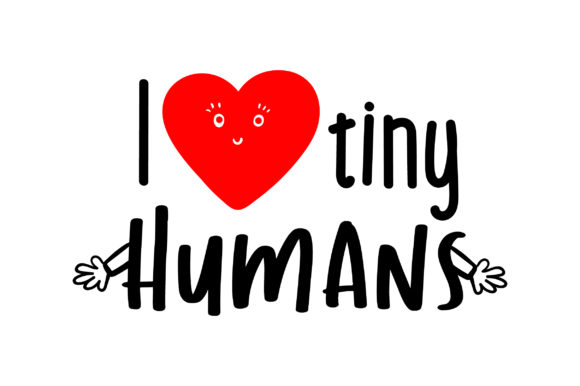
As a designer who has spent countless hours staring at digitized files and watching needles dance across fabric, I have developed a keen eye for what works in the real world. We often get caught up in the digital perfection of a machine embroidery design, forgetting that thread behaves differently than pixels. Today, I am taking a close look at I Love Tiny Humans, a piece that sits squarely in the Medical and Crafts categories, to determine if it holds up under the pressure of actual production.
The first impression of I Love Tiny Humans is one of warmth and approachability. In the medical field, especially pediatrics or neonatal care, the aesthetic needs to balance professionalism with softness. This design achieves that balance. It does not scream "clinical"; instead, it whispers "care." For an embroidery product reviewer, this emotional resonance is the first checkpoint. If a design feels cold or overly complex, it fails before the needle even touches the fabric. Here, the layout suggests a gentle touch, making it ideal for items that will be held by parents, gifted to new families, or worn by healthcare workers who want to project kindness.
Visual Personality and Stitching Clarity
When evaluating any embroidery file, I look immediately at the potential for stitch clarity. I Love Tiny Humans appears to have a clean structure. In my experience, designs with too much clutter become muddy once stitched out, especially on textured fabrics. This design seems to prioritize legibility and impact over unnecessary ornamentation. This is crucial for small-scale applications. Whether you are creating an embroidered patch for a scrub cap or a subtle accent on a tote bag, the visual personality must remain intact.
The mood created here is playful yet respectful. It avoids the trap of being overly cartoonish, which can sometimes undermine the professionalism required in medical settings. Instead, it leans into a charming simplicity. For Etsy sellers and craft business owners, this versatility is a major selling point. It allows the finished product to appeal to a broad audience, from nurses looking for personalized workwear to grandparents seeking a unique personalized gift.
Real-World Application: The Custom Sweatshirt Test
To truly understand the value of a design, you must imagine it in a specific context. Let us consider a real-life scenario: preparing a custom sweatshirt embroidery project for a pediatric nurse. I selected a heather grey cotton-blend sweatshirt, a popular choice for comfort and durability. Placing I Love Tiny Humans on the left chest area, I had to consider the scale. The design’s proportions seemed well-suited for this placement, neither overwhelming the garment nor getting lost in the fabric texture.
In this scenario, the design acts as a badge of pride. It transforms a standard uniform item into a statement piece. For small shop products, this kind of transformation is what drives sales. Customers are not just buying a sweatshirt; they are buying an identity. The design supports this narrative effectively. When I visualize the final result, I see a clean, crisp image that withstands the rigors of daily wear and frequent washing, provided the correct stabilizer and thread tension are used.
Navigating Fabric and Hoop Constraints
While I Love Tiny Humans shows promise, practical application requires caution. Not every fabric is forgiving. If you are working with thin or stretchy fabric, such as those found in baby embroidery projects or lightweight t-shirts, you must be meticulous. Dense stitch areas can cause puckering, which ruins the professional look of a handmade product. I recommend testing the design on scrap fabric first. This step is non-negotiable for any serious embroidery project.
Consider the hoop size limitations. If you are attempting to place this on a curved surface like a cap, the design’s width becomes critical. A design that looks perfect flat may distort when wrapped around a crown. For tote bag design applications, the larger canvas allows for more flexibility, but you must still watch for stitch density. Too many stitches in a small area can make the fabric stiff and uncomfortable, which is undesirable for items like aprons or pillow covers that require softness.
Dark fabrics present another challenge. While the design likely relies on contrast, using light thread colors on dark backgrounds requires precise digitizing to prevent the background fabric from showing through. I advise checking the design in black and white mockups to ensure the shapes remain distinct without color reliance. This is a common pitfall for digital embroidery file users who do not test their assumptions before committing to a full production run.
Commercial Viability and Brand Consistency
For commercial embroidery professionals, consistency is key. I Love Tiny Humans offers a level of reliability that supports brand building. When customers see a consistent quality in your finished product, trust increases. This design fits well within a boutique branding strategy that emphasizes care, precision, and human connection. It is not just a decorative element; it is a communication tool.
However, before listing this as a small shop product or including it in design assets for sale, you must verify the licensing terms. The product description mentions formats like SVG, Transparent PNG, EPS, and DXF, which are versatile for various cutting and printing applications, but embroidery machines typically require specific formats like PES or DST. Ensure that the file you receive is compatible with your machine. If the provided formats are primarily for graphic design, you may need to convert them or ensure they are indeed usable for embroidery software. Always confirm whether the license permits commercial use of the finished product or if it is for personal use only.
Practical Notes for the Maker
Before you commit to a large batch of holiday embroidery gifts or custom apparel orders, take these steps:
- Test on Scrap Fabric: Always run a test stitch-out on the same type of fabric you intend to use for the final product.
- Check Thread Contrast: Ensure your thread colors stand out against the fabric background, especially for detailed corners or tiny lettering.
- Review Stitch Density: Look for areas that might be too dense, which could cause stiffness or puckering.
- Confirm Hoop Size: Make sure the design fits comfortably within your hoop without hitting the edges.
- Inspect Small Details: Zoom in on the digital file to check for any jagged edges or unclear paths that might translate poorly to thread.
- Use Proper Stabilizer: Choose a stabilizer that matches the fabric weight and stretch to support the stitches during sewing.
In conclusion, I Love Tiny Humans is a thoughtful addition to any designer’s library. It bridges the gap between professional medical aesthetics and heartfelt craftsmanship. With careful attention to fabric choice, stabilization, and licensing, it can elevate your Etsy listings and delight your customers. It is a reminder that even in a digital age, the human touch—represented by the needle and thread—remains irreplaceable.